I am a comparative political scientist who primarily focuses on religion and politics, although I have additional interests in identity, voting behavior, social movements, political violence, and authoritarianism and democracy. The bulk of my area training was in the Middle East, and while the majority of my research projects engage in that region, I am on the lookout for opportunities to learn about other areas of the world that offer me the chance to study the theoretical questions in which I am interested. In my work I adopt a variety of methodological approaches, from historical and archival work, to interviews, to classic statistical modeling and modern text-as-data approaches. I find academic collaboration fulfilling, and particularly enjoy co-authoring with my graduate students.
My research has appeared in a number of journals, including the American Political Science Review, American Journal of Political Science, the British Journal of Political Science, Perspectives on Politics, Politics and Religion, and the British Journal of Middle East Studies, among others. Since receiving my Ph.D., my projects have been generously supported by the Council on Library and Information Resources, The American Philosophical Society, UW-Madison’s Fall Competition, the American Political Science Association, Northwestern University, Google, UW-Madison’s Department of Political Science, the Governance and Local Development Institute, and the Project on Middle East Political Science. I’ve won research awards from the APSA organized sections on Middle East Politics (#49) and Religion and Politics (#11). In the Spring of 2018, I won the Victor A. Olorunsola Endowed Research Award from the University of Louisville, and in the Summer of 2026 I was awarded UW-Madison’s H.I. Romnes Faculty Fellowship.
My ongoing and in-progress works are listed here, while forthcoming/published peer-reviewed projects are listed below.
Works in the Pipeline
The Muslim Brotherhood’s Rise
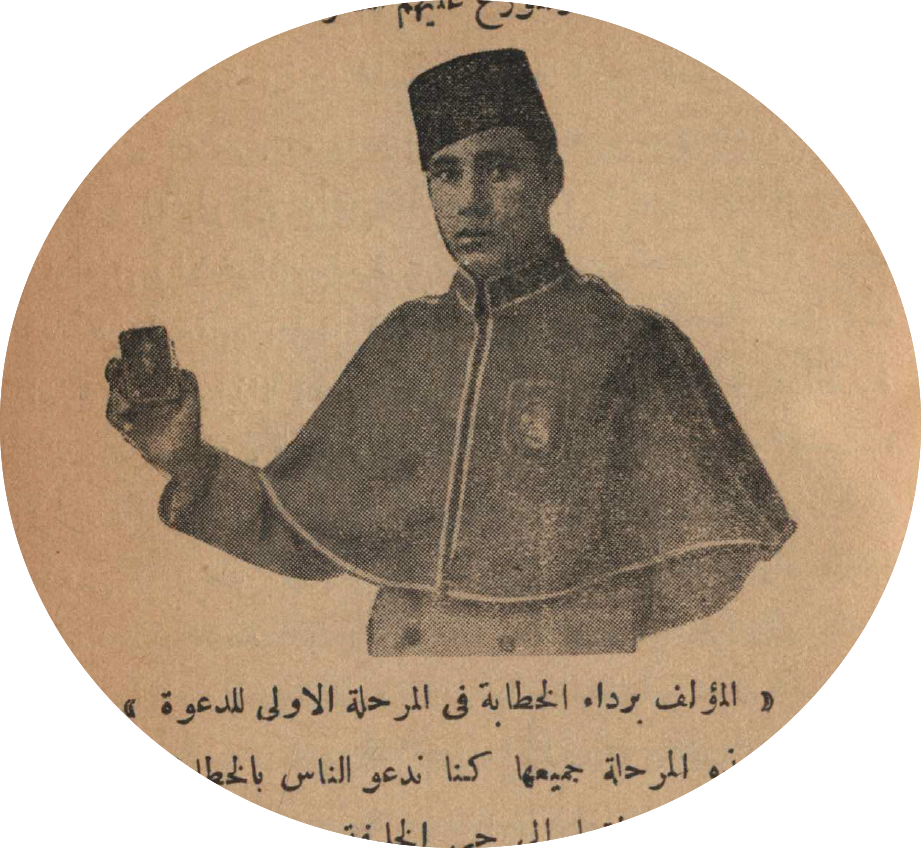
Co-authored with Neil Ketchley, The Muslim Brotherhood’s Rise is an in-progress book manuscript that examines the emergence and spread of this movement during interwar Egypt. We argue that historicizing the Brotherhood reveals an overlooked puzzle: during its early years the Brotherhood closely resembled dozens of similar movements, yet while these competitors failed the Brotherhood rose to become the world’s most influential Islamist Movement. To explain this outcome we exploit a variety of new archival evidence, including membership rosters, previously unknown periodicals, petitions, and lists of mosque-based activities. We analyze these with cutting edge social science techniques, including text-as-data and spatial analysis, as well as close readings of key documents.
“Discovering the World”
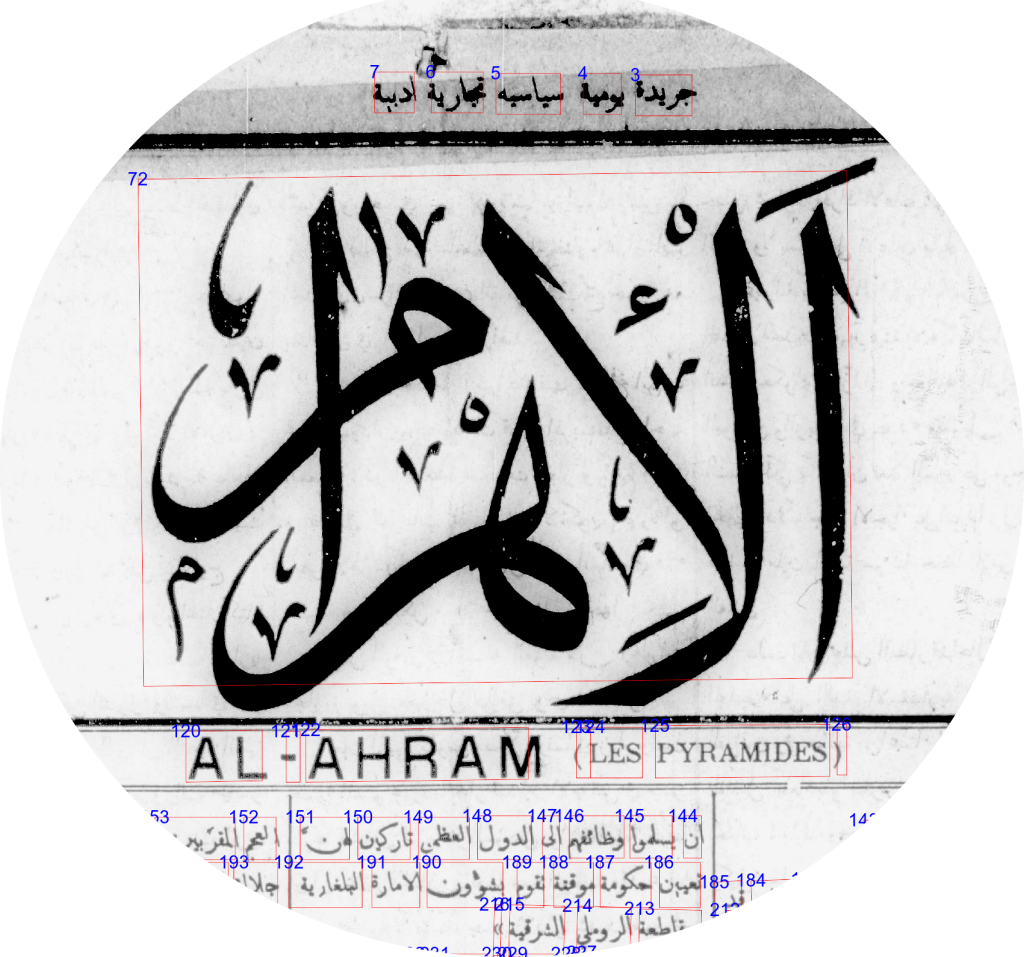
Chris Barrie, Thomas Hegghammer, and Neil Ketchley and I use the longest print series in the Arabic language- the entire run of the Egyptian Arabic newspaper al-Ahram- to reconstruct the speed and direction of exposure to the outside world from the point of view of a newsreader in the global south over the past 145 years. Place names extracted from 1.6 billion words of news articles allow us to map the horizons of the global area to which readers were exposed between 1876 and 2020.
“Religious Tradition and National Identity: Evidence from Intra-Orthodox Church Conflicts in Ukraine”
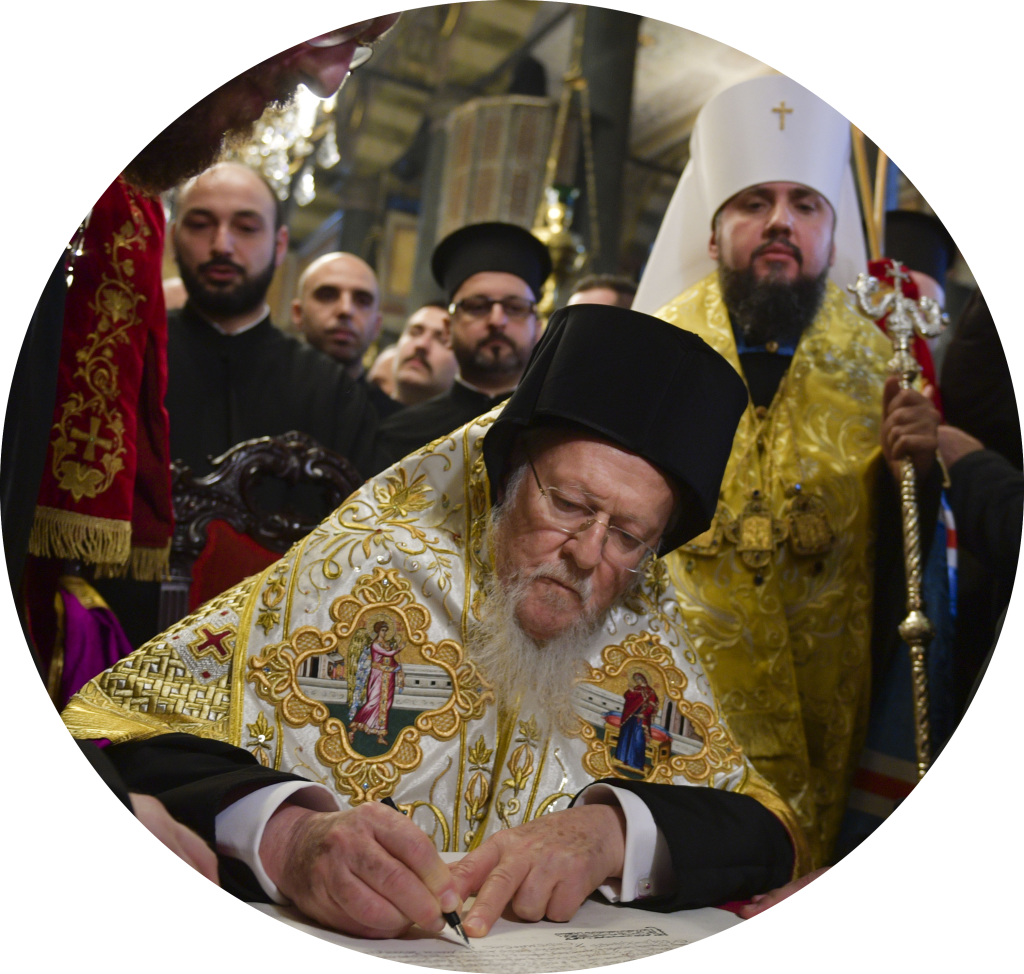
Co-authored with one of my advanced graduate students, Marika Olijar, this paper uses a unique conflict inside the Orthodox Church to examine the conditions under which individual houses of worship affiliate themselves with state. In January 2019, the Ecumenical Patriarch of Constantinople granted formal recognition to a new Orthodox Church of Ukraine, separate from the Moscow Patriarchate. One by one, churches in Ukraine affiliated to the Moscow Patriarchate began to switch their formal affiliation to the new national church. We build a unique dataset of Orthodox churches to examine why and when some churches switched, when they did, while others did not (image credit).
“Anti-Jewish Violence in the 1941 Baghdad Riots”
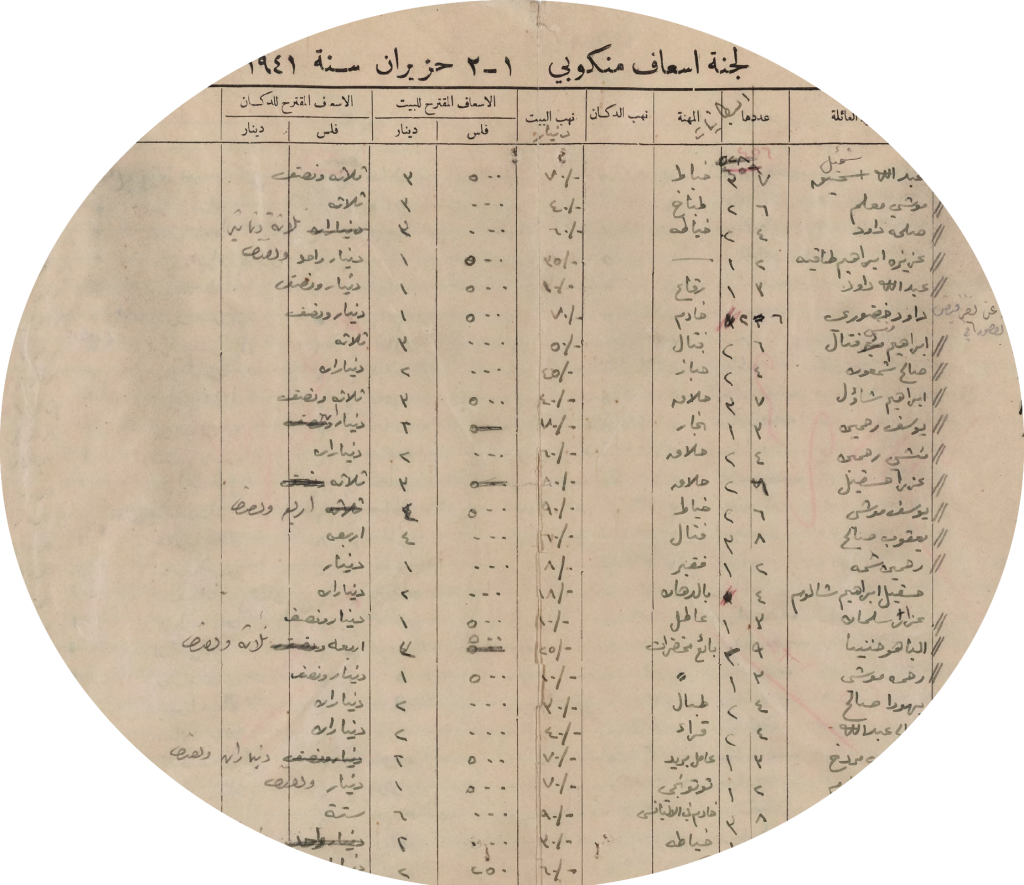
For two days in June 1941 mobs terrorized members of Baghdad’s storied Jewish community. When order was restored, dozens had been killed and thousands of homes and businesses were destroyed. This project, co-authored with one of my graduate students, Noor Hamwy, uses a systematic compilation of dozens of oral histories, coupled with a tranche of newly-discovered archival materials, to systematically reconstruct the geography of interwar Baghdad on a house-by-house level to study why some families were targeted during this moment of violence, while others managed to escape.
“Tribal Affinity and Voting Behavior in Tunisia’s Local Elections”
Tunisia is often considered a case where post-colonial rulers were able to stamp out the social and political influence of tribes. Alex Blackman, Gabriel Koehler-Derrick, and I, along with my advanced graduate student Oliver Lang, question this understanding my using a historical dictionary of Tunisian tribal names to detect voter-candidate affinity across nearly 6 million Tunisian voters and all 14,000 candidates in the country’s free and fair 2018 municipal elections. We find a robust and consistent local effect of shared tribal identity between voters and candidates on electoral outcomes.
Recently Published and Forthcoming Projects
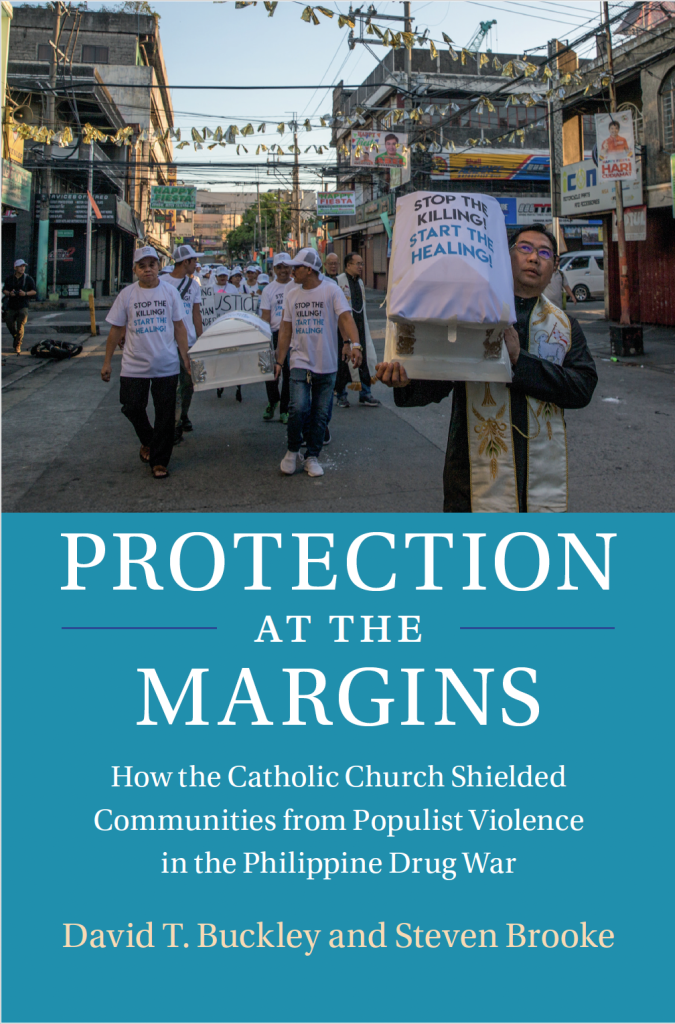
Protection at the Margins: How the Catholic Church Shielded Communities from Populist Violence in the Philippine Drug War (Forthcoming in the Fall of 2026)
In Protection at the Margins Dave Buckley and I offer an in-depth account of how religious actors protect local communities from state-driven populist violence. Focusing on Philippine president Rodrigo Duterte’s notorious Drug War, the authors detail how and why religious leaders intervened with state agents, partnered with civil society, and influenced local publics. It also highlights obstacles to protection, both in the Philippines and in other cases of populist violence like Brazil and the United States. It rests on extensive research including thousands of geolocated killings, systematic cataloguing of Catholic parishes, unique surveys of local police, extensive public opinion data, and detailed qualitative interviews with religious elites, civil society advocates, journalists, and local government officials. Protection at the Margins advances scholarship on religion and politics, political violence, and democracy, and offers practical advice for religious communities, civil society networks, and government officials looking for ways to protect the vulnerable from populist state violence.
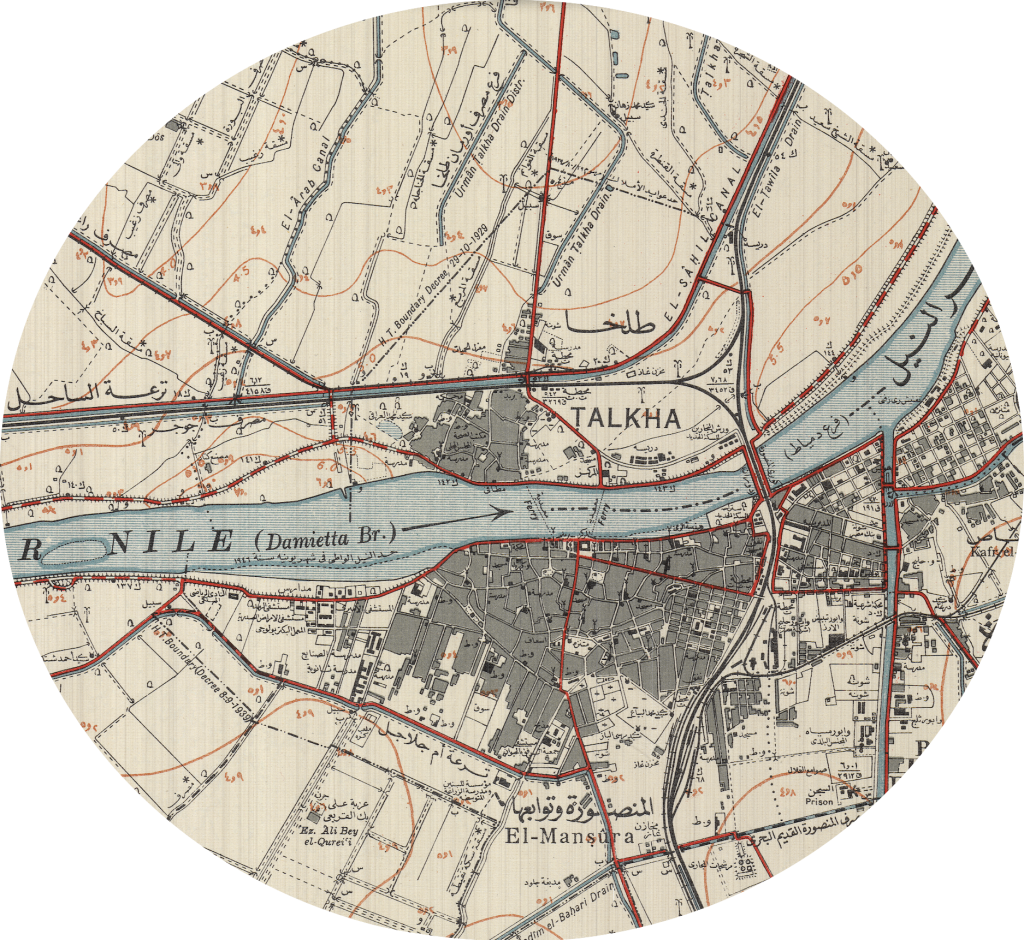
Starting in 2020, and with the generous financial support of the Council on Library and Information Resources “Digitizing Hidden Collections” Initiative, and in collaboration with the Arthur H. Robinson map library at the University of Wisconsin-Madison, I oversaw a large project to collect, digitize, georeference, and extract features from a series of hundreds of fine-grained (1:25,000 scale) maps of Interwar Egypt. This involved supervising teams of RAs working in both English and Arabic to assign latitude and longitude to every pixel on the scanned map images, and extract as lines, points, and polygon a variety of sites of interest from the maps, including houses of worship, state institutions, transport infrastructure, and agricultural holdings. These materials are all online at the University of Wisconsin-Madison Digital Collections website.
“Religious Protection from Populist Violence: The Catholic Church and the Philippine Drug War,” American Journal of Political Science, Vol. 67, No. 1 (2023) (with David Buckley, Clarissa David, and Ron Mendoza). Winner, “Paul Weber Best Conference Paper Award,” APSA Organized Section on Religion and Politics, 2020.
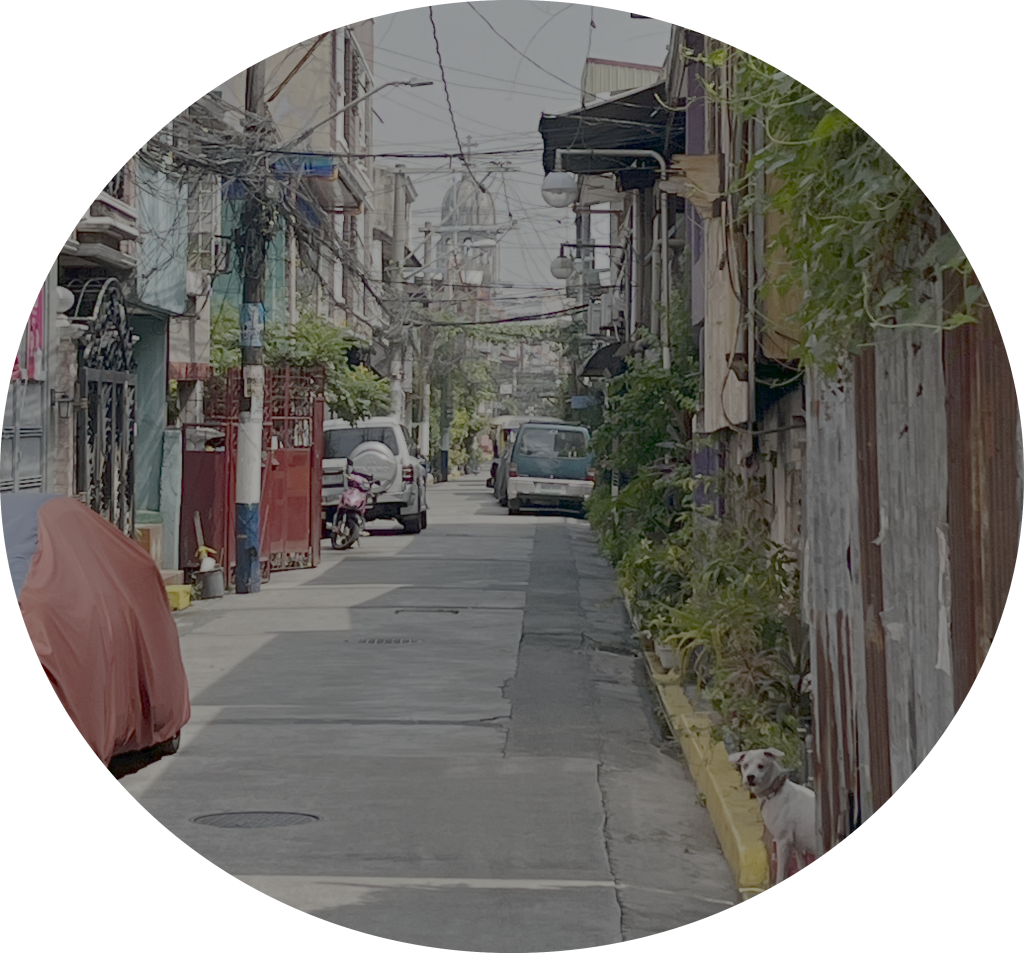
Populists often demonize outgroups while undermining institutions that protect citizens against the abuse of state power. Under these conditions, how can vulnerable communities protect themselves? We argue that actors coupling a normative commitment to human rights with the local organizational capacity to intervene can systematically reduce victimization. Focusing on the Philippine Catholic Church in the country’s ongoing “drug war,” we identify five potential mechanisms producing protection. Directly, these actors can raise attention, offer sanctuary, or disrupt enforcement, while indirectly they can shrink vulnerable populations and build local solidarity. We evaluate this argument with a mixedmethod research design. A new dataset of over 2,000 drug war killings throughout Metro Manila shows that neighborhoods with a Catholic parish experience approximately 30% fewer killings than those without. Original interviews with clergy and laity in these parishes support both direct and indirect mechanisms, with strongest evidence for attention raising and building community solidarity.

“Who Votes After A Coup?” Mediterranean Politics Vol. 28 (2023) (with Elizabeth Nugent).
More than half of leaders who come to power through military coups hold elections to legitimate their regimes, yet there is extensive subnational variation in how citizens accept or reject this process. In this paper, we examine district- by-district voting patterns in Egyptian presidential elections a few months following the July 2013 military coup to identify the ecological correlates of three district-level measures of citizen engagement with the electoral process: voter turnout, valid (non-spoilt) ballots, and votes cast for the regime-affiliated candidate. Controlling for baseline measures of these outcomes from the free and fair presidential elections prior to the coup, we find support for the enduring effect of partisanship: districts with higher support for the deposed candidate in pre-coup elections featured systematically lower turnout and rates of valid voting in post-coup elections.
“The Friday Effect: How Communal Religious Practice Heightens Exclusionary Attitudes,”British Journal of Political Science, Vol. 53, No. 1 (2022) (with Michael Hoffman and Youssef Chouhoud).
Does attending communal religious services heighten the tendency to express exclusionary attitudes? Drawing on responses from thousands of Muslims, we identify how the ritual Friday Prayer systematically influences congregants’ political and social attitudes. To isolate the independent role of this religious behavior, we exploit day-of-the-week variation in survey enumeration, which we assume to be plausibly uncorrelated with likely confounders, including self-reported religiosity. In our primary analysis, six variables charting various modes of intolerance each indicate that frequent attenders interviewed on Fridays (that is, proximate to the weekly communal prayer) were significantly more likely to express sectarian and antisecular attitudes than their counterparts. To test the potential mechanism behind this tendency, we rely on a controlled comparison between Egyptian and Algerian subgroups, as well as an original survey experiment in Lebanon. Evidence from both analyses is consistent with arguments that elite political messaging embedded in religious rituals spurs much of the observed variation.
“Who Supported the Early Muslim Brotherhood?” Politics and Religion, Vol. 15, No. 2 (2022) (With Neil Ketchley and Brynjar Lia).
Scholarship on political Islam suggests that support for early Islamist movements came from literate merchants, government officials, and professionals who lacked political representation. We test these claims with a unique tranche of microlevel data drawn from a Muslim Brotherhood petition campaign in interwar Egypt. Matching the occupations of over 2,500 Brotherhood supporters to contemporaneous census data, we show that Egyptians employed in commerce, public administration, and the professions were more likely to sign the movement’s petitions. The movement’s supporters were also overwhelmingly literate. Contrary to expectations, the early Brotherhood also attracted support from Egyptians employed in agriculture, albeit less than we would expect given the prevalence of agrarian workers in the population. A case study tracing Muslim Brotherhood branch formation and petition activism in a Nile Delta village illustrates how literate, socially mobile agrarian families were key to the propagation of the movement in rural areas.
“How Populists Engage Religion: Mechanisms and Evidence from the Philippines,” Democratization, Vol. 29, No. 8 (2022) (With David Buckley and Bryce Kleinstuber).
Despite increasing interest in populism and religion, scholars generally lack a conceptual foundation to distinguish strategies through which populists integrate religion into mobilisation. We use the case of Rodrigo R. Duterte’s Philippines to derive a four-part typology of such interactions grounded in distinct dimensions of populism. This typology distinguishes causal mechanisms and clarifies how, even within a single country, populists may opportunistically blend several religious strategies to suit their personalistic political ends. Populists may draw on religious norms and identity to buttress boundaries between in-groups and out-groups, credibly signal their outsider status by challenging religious hierarchies, leverage personalistic linkages to religious elites, and deploy a populist style with religious affinities. We trace how such strategies may cement religious support, and, at times, motivate religious resistance to populist rule. A systematic subnational assessment correlating religious demographics and Duterte’s voteshare in his 2016 election across over 40,000 Philippine subdistricts evaluates empirical implications of each pathway using relevant religious communities.
Earlier Published Work
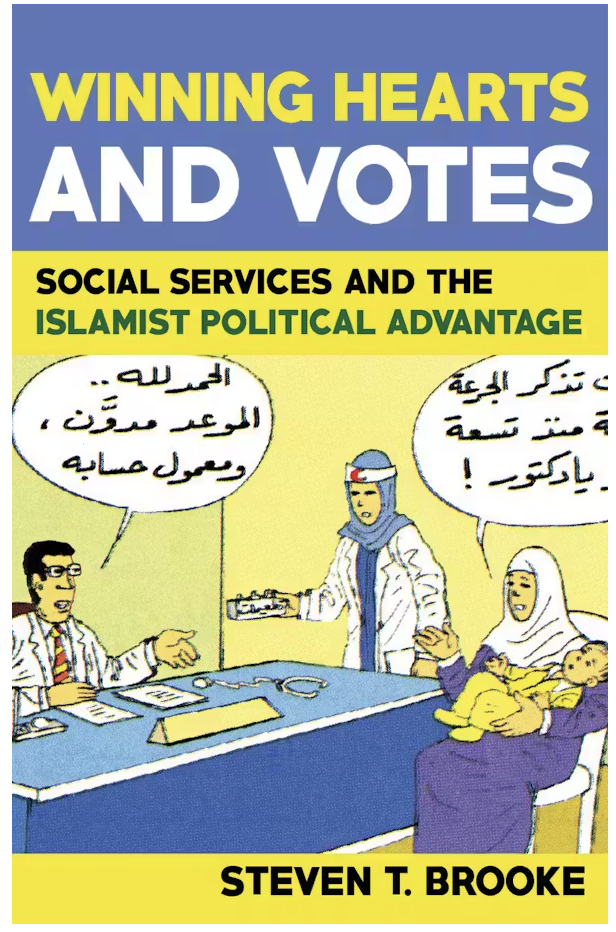
My first book, Winning Hearts and Votes: Social Services and the Islamist Political Advantage, starts from a general observation: In non-democratic regimes around the world, non-state organizations provide millions of citizens with medical care, schooling, childrearing, and other critical social services. Why would any authoritarian countenance this type of activism? Under what conditions does the private provision of social services generate political mobilization? And in those cases, what linkage does the provision of social services forge between the provider and recipient? Using a close study of the Egyptian Muslim Brotherhood from the 1970s up to 2013, I show how service provision by non-state actors allows regimes to compensate the “losers” of economic reform, forestalling public mobilization. However, this plants the seeds for electoral gains by the opposition, particularly when they rely on these services to generate reputational linkages with voters, helping broadcast a politically powerful image of competence, honesty, and modesty. The book was reviewed in Mediterranean Politics, Perspectives on Politics, and Political Science Quarterly, and won the American Political Science Association’s organized section on Middle East Politics’ “Best Book by a First Time Author” award in 2020.
“Does Learning About Protest Abroad Inform Individuals’ Attitudes Towards Protesting at Home? Experimental Evidence from Egypt,” Government and Opposition, Vol. 57, No. 3 (2021) (with Mazen Hassan).
The Arab Spring revived interest into how contentious mobilization diffuses across time and space. We evaluate individual-level attitudinal implications of this literature through laboratory experiments with 681 Egyptian college students. Across two separate experiments, primes based on recent protests in Tunisia, Syria and the Sudan reveal a limited ability to shift respondents’ retrospective views of the Arab Spring, the efficacy of protest to achieve political change, Egypt’s perceived domestic situation vis-à-vis its neighbours and a personal willingness to assume risk in a computer game-based behavioural extension. Our findings imply the need to continue to improve theorizing and empirically testing key implications from the diffusion literature.
“Exclusion and Violence After the Egyptian Coup,” Middle East Law and Governance, Vol. 12 (2020) (with Elizabeth Nugent).
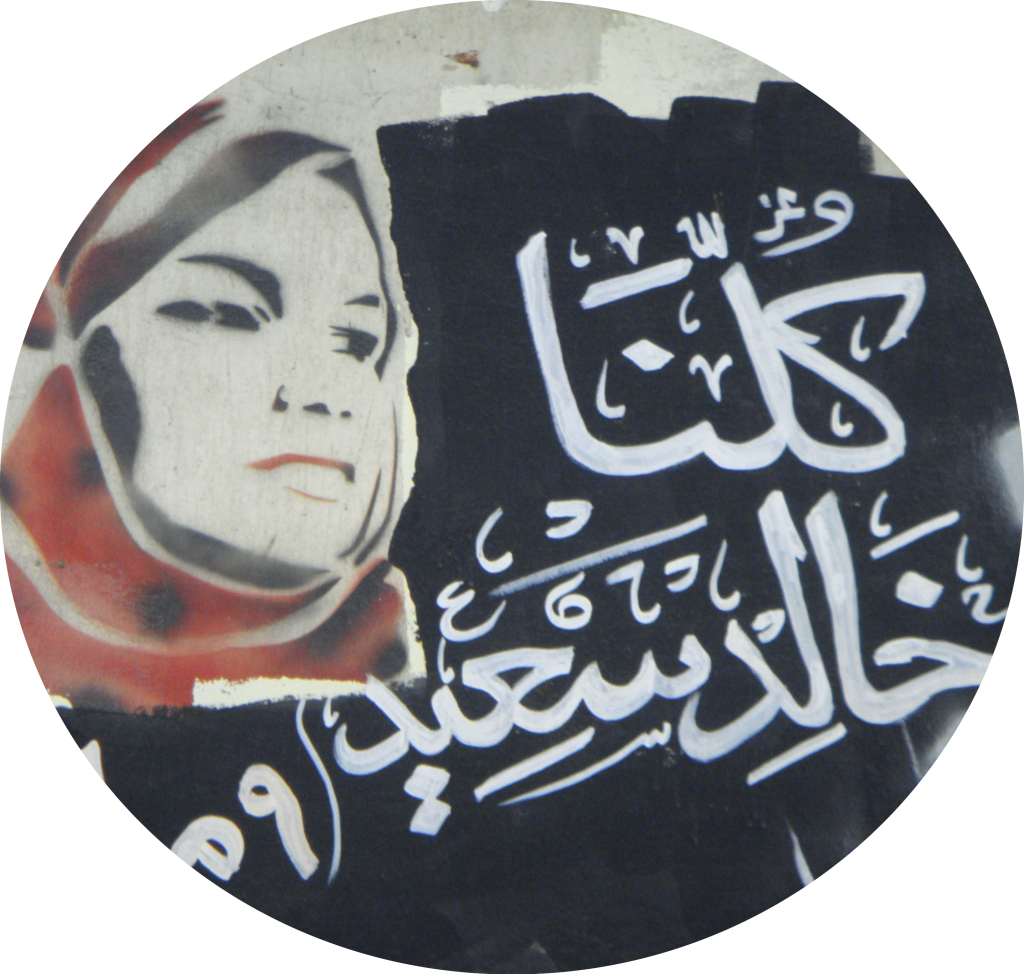
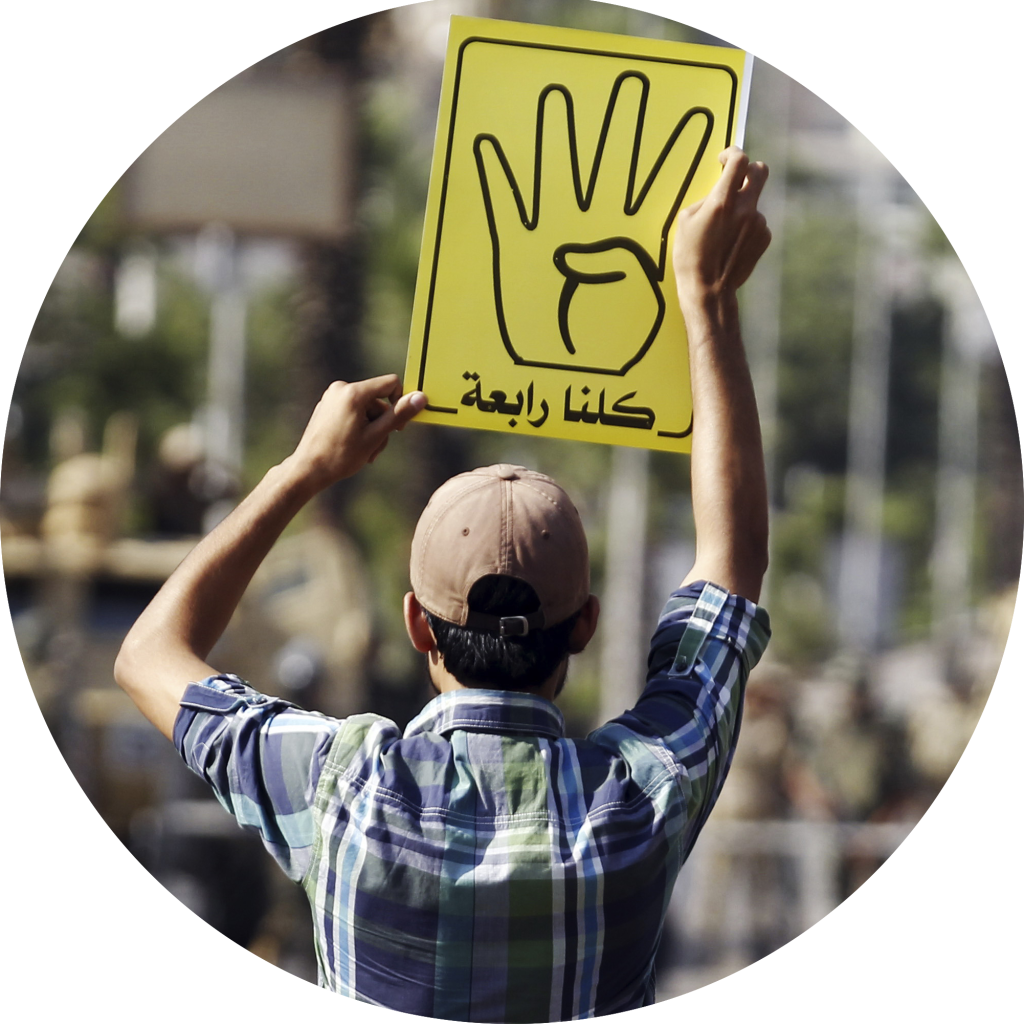
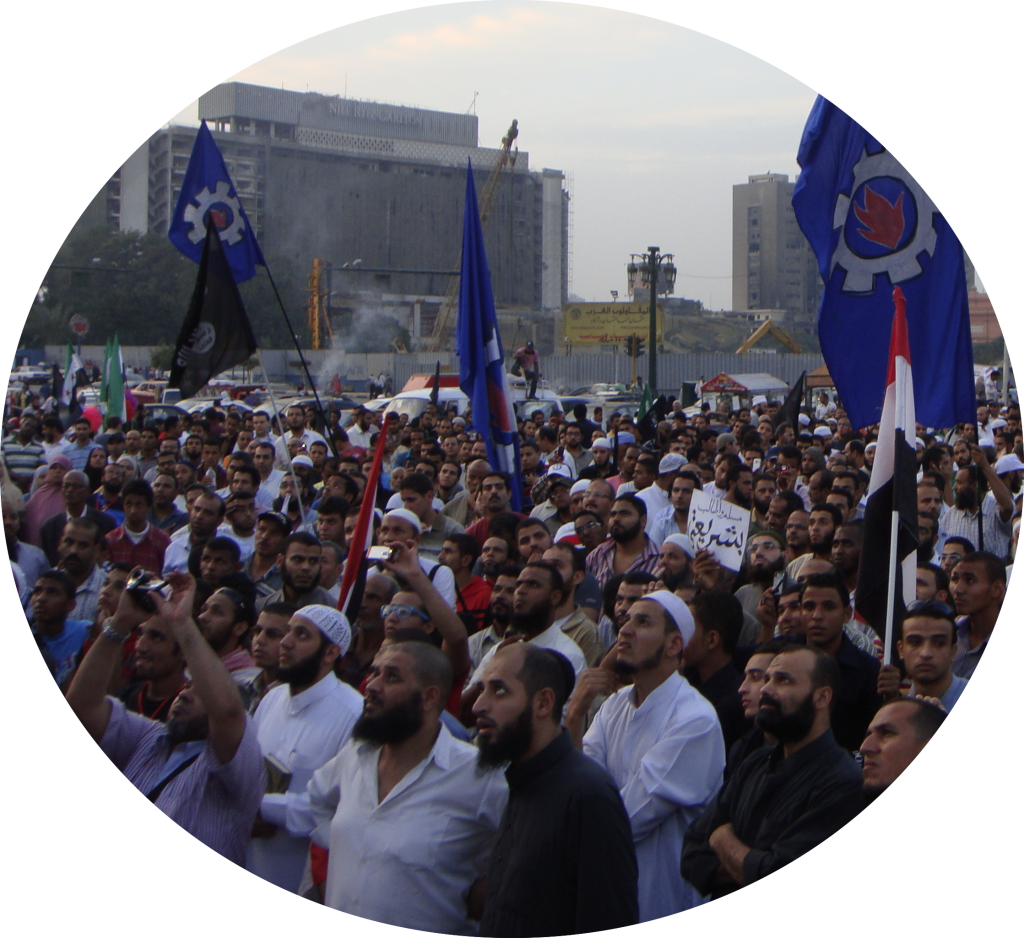
Scholars of Islamism have long grappled with the relationship between political participation and ideological change, theorizing that political exclusion and state repression increase the likelihood of Islamist groups using violence. The trajectory of post-2011 Egypt offers a chance to systematically evaluate these theories using subnational data. Pairing district-level electoral returns from pre-coup presidential elections with post-coup levels of anti-state and sectarian violence, we find that districts where Muslim Brotherhood-affiliated candidate Mohammed Morsi performed well in 2012 witnessed more anti-state and sectarian (anti-Christian) violence following the 2013 military coup. The same relationship holds for the performance of liberal Islamist Abdel Moneim Abu El-Fotouh, which is consistent with arguments that political exclusion alone may also drive violence (image credit).
“Reading the Ads in al-Da’wa Magazine: Commercialism and Islamist Activism in al-Sadat’s Egypt,” British Journal of Middle East Studies, Vol. 47, No. 3 (September 2018) (with Aaron Rock-Singer).
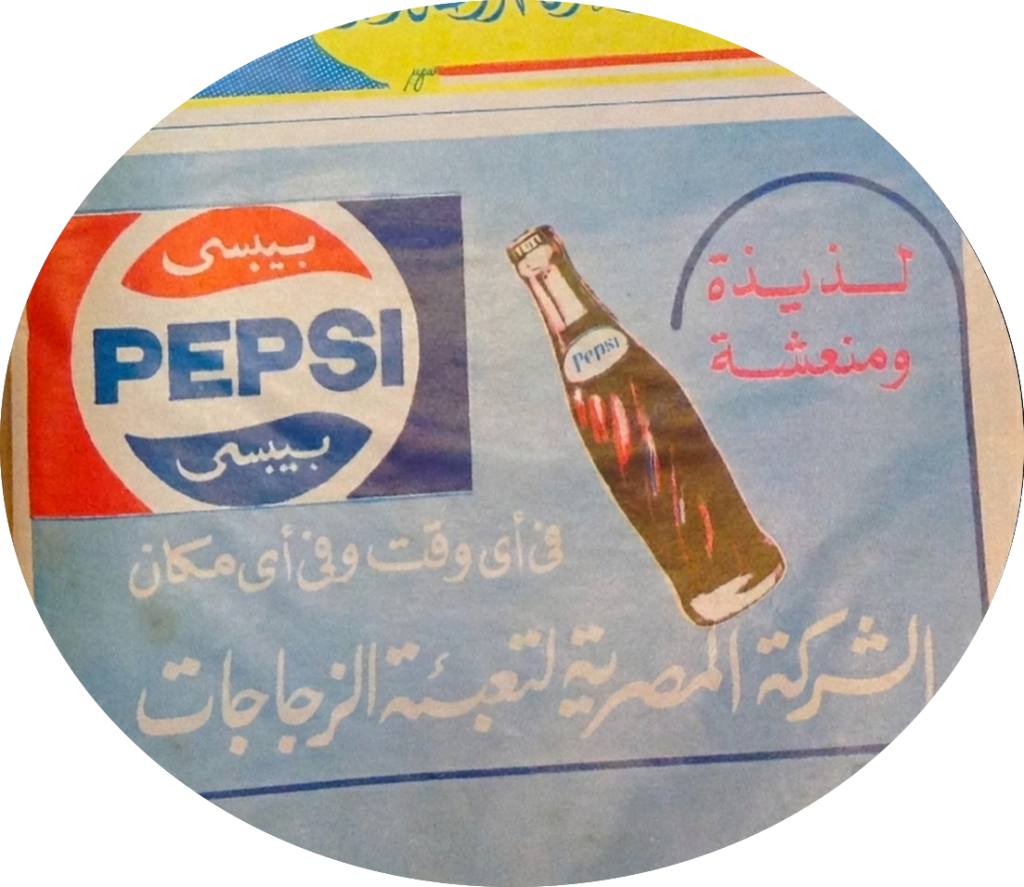
This article probes the return of the Muslim Brotherhood to prominence in 1970s Egypt through a systematic analysis of advertisements in the organization’s flagship periodical, al-Daʿwa (The Call). In every issue of the magazine, which was published between June 1976 and October 1981, entreaties to proper conduct and appeals to Islamic solidarity appeared alongside advertisements for everything from Pepsi to breakfast biscuits to automobiles. We utilize the methodological insights of social and cultural historians to the value of advertisements to cast new light on the reconstruction of the Brotherhood, its relationship with the diverse institutions comprising the Egyptian state, and on how the Muslim Brotherhood’s vision of piety both reflected and challenged a changing economic reality. Moving beyond a story of the Brotherhood’s return as a product of independent Islamist enterprise that had emerged due to both the Gulf oil boom and Egypt’s economic liberalization programme, significant public sector advertising in al-Daʿwa, especially prominent across the most valuable advertising real estate, underscores both internal divisions within the Egyptian state as well as the tangible ways that various state institutions were patrons of religious change.
“Social and Institutional Origins of Political Islam,” American Political Science Review, Vol. 112, No. 2 (May 2018) (with Neil Ketchley).
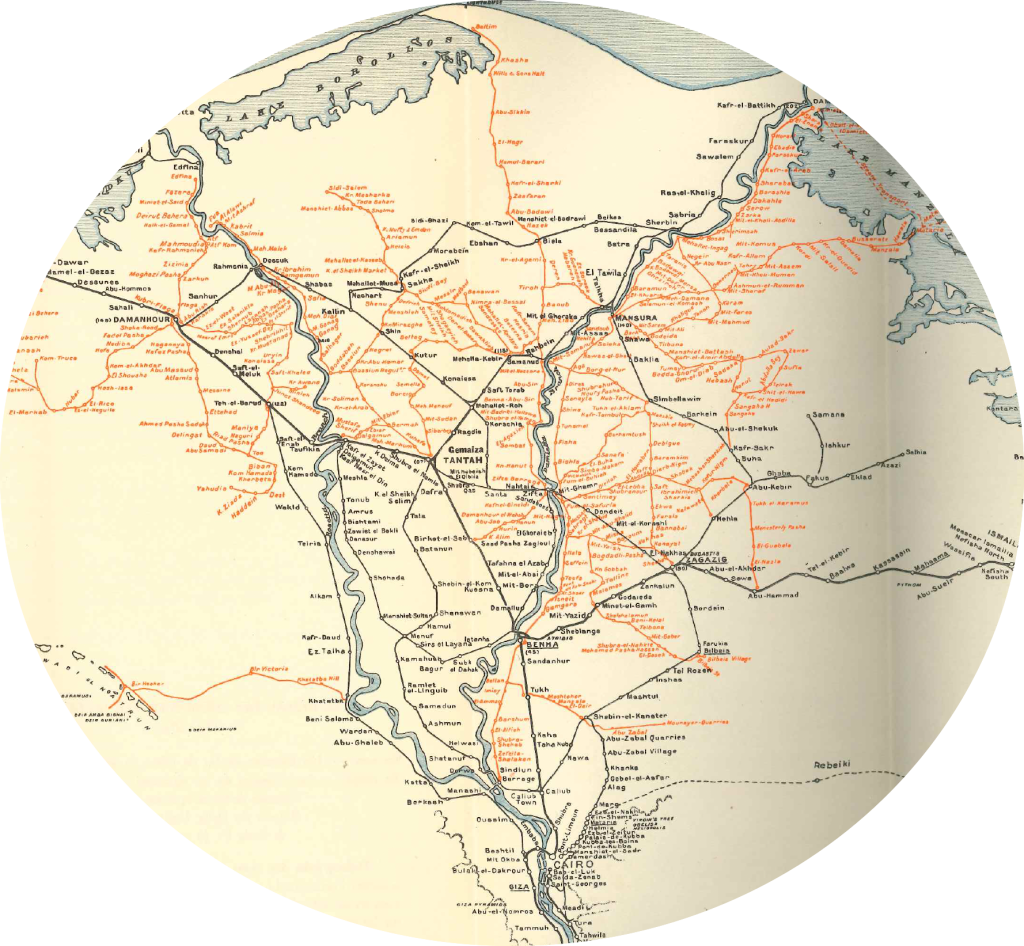
Under what conditions did the first Islamist movements organize? Which social and institutional contexts facilitated such mobilization? A sizable literature points to social and demographic changes, Western encroachment into Muslim societies, and the availability of state and economic infrastructure. To test these hypotheses, we match a listing of Muslim Brotherhood branches founded in interwar Egypt with contemporaneous census data on over 4,000 subdistricts. A multilevel analysis shows that Muslim Brotherhood branches were more likely in subdistricts connected to the railway and where literacy was higher. Branches were less likely in districts with large European populations, and where state administration was more extensive. Qualitative evidence also points to the railway as key to the movement’s propagation. These findings challenge the orthodoxy that contact between Muslims and the West spurred the growth of organized political Islam, and instead highlight the critical role of economic and state infrastructure in patterning the early contexts of Islamist activism.
“Sectarianism and Social Conformity: Evidence from Egypt,” Political Research Quarterly, Vol. 70, No. 4 (December 2017).
Why might citizens adopt exaggerated public antagonism toward outgroups? When this is so, how much do public and private attitudes diverge? I argue that expanding exclusionary rhetoric against outgroups can create social pressures that incentivize ordinary citizens to adopt bigoted attitudes to avoid ostracism from their own majority community. Based on an investigation of Egypt during the Arab Spring, I identify the emergence and diffusion of a norm of discrimination against the country’s tiny Shi’a population. Under these conditions, a substantial portion of Sunni citizens adopted and countenanced anti-Shi’a bigotry not because they truly believed it, but rather because they feared the consequences of expressing public support for coexistence. A variety of qualitative evidence traces the growth of anti-Shi’a sentiment during this period, while original survey data show that over 80 percent of Sunni respondents openly expressed anti-Shi’a attitudes. Yet when asked about their attitudes via an item count technique, a method that grants a reprieve from social pressures, the percentage of respondents expressing discriminatory views toward the Shi’a dropped to just over 40 percent. One implication is that sectarian attitudes in the region are as much the product of malleable social and political pressures as deeply rooted preferences.
“From Medicine to Mobilization: Social Service Provision and the Islamist Reputational Advantage,” Perspectives on Politics, Vol. 15, No. 1 (March 2017).
Under what conditions can parties use social-service provision to generate political support? And what is the causal mechanism connecting social-service provision to citizen mobilization? I argue that service provision conveys to voters a politically valuable image of the provider organization’s competence and probity, which is particularly valuable when information about parties and platforms is contradictory or poor. Support comes from an in-depth investigation into the medical networks of the Egyptian Muslim Brotherhood. I combine qualitative evidence, including fieldwork and interviews with Brotherhood social-service providers, with an original 2,483-person survey experiment of Egyptians. Respondents exposed to factual information about the Brotherhood’s medical provision are significantly more likely to consider voting for the Brotherhood in elections. A causal mediation analysis, as well as qualitative evidence drawn from the survey instrument itself, supports the hypothesized mechanism by which respondents map the Brotherhood’s compassion and professionalism in the provision of medical services onto their views of Brotherhood candidates for elected office. Beyond adding to a growing comparative-politics literature on the politics of non-state social service provision, I identify why Egypt’s current rulers have expended such effort to uproot the Muslim Brotherhood’s nationwide network of social services.